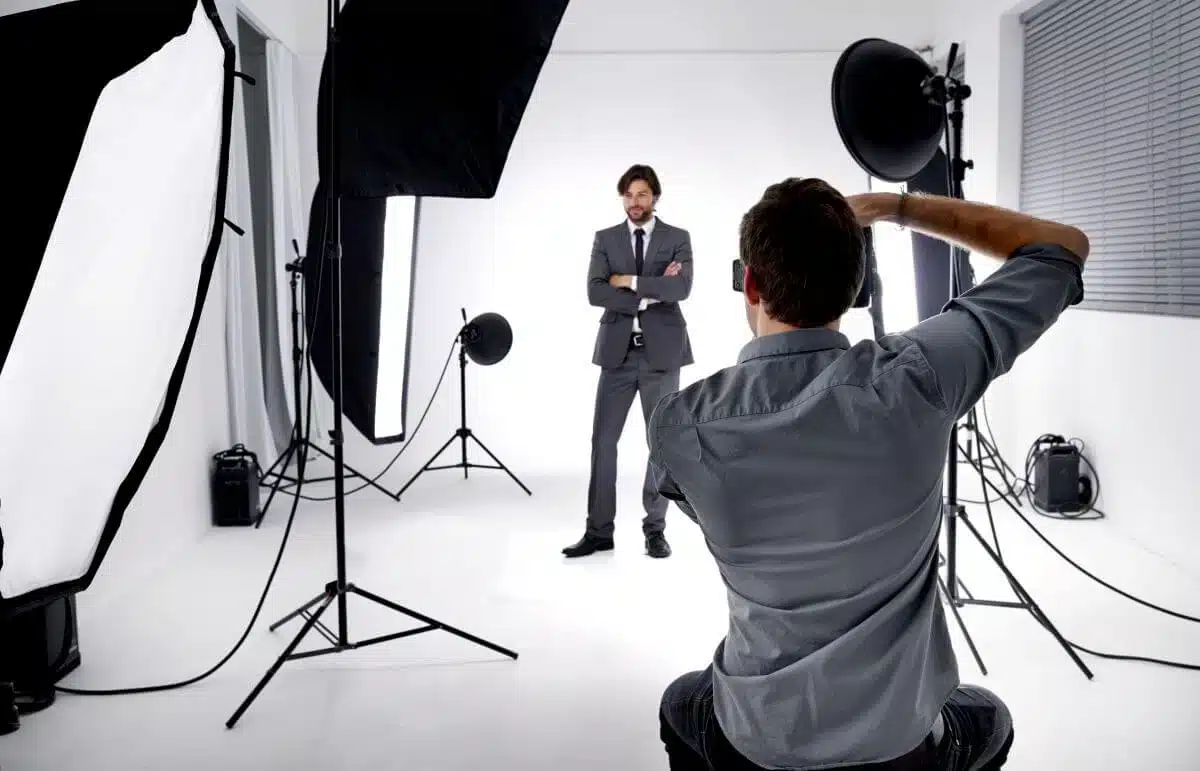
There are a lot of common elements you’ll see used in photo and video production, but none of them are quite as ubiquitous as a cyclorama wall. With a long history in entertainment, a cyclorama wall is still highly valued for its ability to create a clean, seamless backdrop that keeps your audience’s eyes focused on your subject. At Lightz Out Studios, we offer not a single but a double cyclorama wall for our clients to utilize.
Of course, if you want to make the most of one, you have to understand the fundamentals. Here’s a crash course on what a cyclorama wall is, as well as how you can best use one as a creative.
Cyclorama Wall: The Basics
A cyclorama wall is a blank, curved wall used in photo and film shoots to create what’s known as an infinity background. Even if you’re not familiar with the term, you’ve definitely seen it in use. From big-budget action movies to local commercial photo shoots, they’re used heavily in studio spaces.
The cyclorama wall actually dates back hundreds of years, when they were implemented in theater to create the illusion of a more expansive space on stage. While those cycloramas were often made of delicate woven materials, you’re more likely to see a blank curved wall in a modern photo studio.
How It Works
What sets a cyclorama wall apart from other backdrops is the seamless, curved design. This curvature eliminates lines, prevents shadows from pooling at the base, and allows the lighting to be distributed evenly across the surface. This curvature and plain matte surface work together to create that infinite illusion, making it a great option for professional photo and video shoots.
Generally speaking, you don’t want your background to pull focus away from your subject. A cyclorama wall is perfectly designed to provide a polished, professional-feeling background that doesn’t draw the viewer’s attention. Their design also allows them to adapt to lighting easily, making them highly modular and adaptable to a photographer’s needs.
How It’s Used
Since cyclorama walls are so versatile, they see usage from many filmmakers and photographers alike. A few of the most common places you’ll see them utilized are:
- Product photography: The minimalist backdrop of a cyclorama wall makes it ideally suited for commercial product photography, where the focus needs to stay on the item being showcased.
- Fashion photography: Likewise with products, a cyclorama wall is a great way to highlight a model’s outfit, drawing attention to the details of the fashion.
- Portrait photography: Cycloramas are also well-suited for commercial and personal portraits or headshots, eschewing any distracting details and keeping the focus on the subject.
- Movies and music videos: Documentaries, shorts, feature films, and music videos all often make use of cyclorama walls for their ability to adapt to dramatic lighting and simple background composition.
- Visual effects: Since a cyclorama wall is built to avoid shadows from forming, it’s excellent for any time you might need to use chroma keying to change what your subject is standing in front of.
Benefits of a Cyclorama Wall
Using a cyclorama wall lends a project several benefits, both practical and creative:
- Infinity backgrounds: The main reason a filmmaker or photographer would want to use a cyclorama wall would be its ability to create the illusion of an infinite space. The limitless effect lends the final product a clean, minimalist design.
- Lighting control: With the curve of the cyclorama wall, you can avoid unwanted shadows or hotspots from forming on your background.
- Highly flexible: A cyclorama wall is a blank slate. Whether you’re shooting a simple family photo or a high-energy music video, with the right lighting and staging, it can easily adapt to your needs.
- Simplify post-production: Since the cyclorama wall removes the risk of hard edges or shadows, editing images in post becomes a much easier process.
- Professional polish: The minimalist background a cyclorama wall creates can help give a project a clean and professional look when shown to your final audience.
Tips for Using a Cyclorama Wall
While part of the appeal of a cyclorama wall is its mutability, there are some general guidelines to follow, regardless of your setup.
First, even though cyclorama walls are designed to reduce shadows, you still need to be mindful of them. Use softer fill lights to light the space evenly, and don’t place any talent or set dressing too close to the wall. Keep your lighting and exposure settings consistent to ensure your footage matches across the whole shoot; otherwise, you’ll end up with mismatched images when you get to post.
Second, be aware of anything that might break the illusion. When you’re framing your shot, make sure the matte crops out the edges of the wall. Many people find it useful to mark out the edges of the shot with spike tape so no talent accidentally wanders too far. Also, be watchful for anyone or anything touching the wall itself, as smudges or scuffs can quickly shatter the feeling of limitlessness.
Finally, and most importantly, experiment with different ways to use the wall creatively! Play with your lighting color scheme to maximize contrast and mood. Consider using projections while shooting, or look for ways to implement new imagery through VFX in post. Working with a blank canvas gives you endless possibilities.
No matter what your film or photography project is, a cyclorama wall is one of the best tools available to you. The versatility and increased production quality make it indispensable for any kind of content creation. While we are proud of our double cyc wall at Lightz Out Studios, it’s only one of the many amenities we offer. If you’re eager to take next steps with your project, schedule a tour. Whatever you’re creating, we have the tools you need to make the best version possible.